
6 types of women should be careful when pregnant
As environmental pollution intensifies, older mothers give birth to second children and in vitro fertilization baby increase, premature birth The incidence rate of infants is increasing year by year. Statistics from the World Health Organization show that China already has the largest number of premature babies in the world, with 1.17 million premature babies born every year.
Premature infants refer to newborns whose gestational age is less than 37 weeks and whose weight is generally less than 2,500 grams. Among them, those whose birth weight is less than 1500 grams are called extremely low birth weight infants, and those whose birth weight is less than 1000 grams are called extremely low birth weight infants. There are many reasons for pregnant women to give birth prematurely, among which the following six types of pregnant women are more likely to give birth prematurely:
Category 1: Pregnant women with reproductive tract infection
Reproductive tract infection is one of the main causes of premature birth. Because in reproductive tract infections, bacteria and the toxins they produce can invade the chorioamnion, thereby stimulating decidual cells to produce cytotoxins and prostaglandins, causing premature birth. Therefore, during pregnancy, you should strengthen the cleaning and health care of the perineum, wear cotton and breathable underwear, and do not use cleaning fluids indiscriminately. If infection is confirmed, sensitive antibiotic anti-infective treatment should be selected according to different pathogens under the guidance of an obstetrician.
Category 2: Overweight pregnant women
Research shows that people who are overweight or obese female There is a greater risk of premature birth in early pregnancy. As the mother's BMI (body mass index) increases, so does the risk of preterm birth.
In particular, women with a BMI of 35 or higher have a two to three times higher risk of very preterm birth (22-27 weeks gestation) compared with women of normal weight. Increased risks include the risk of spontaneous and medically induced extreme preterm birth.
Category 3: Pregnant women who are addicted to tobacco and alcohol
Most pregnant women know that smoking during pregnancy is harmful to fetus It is very harmful, but few people know that drinking alcohol during pregnancy is even more harmful to the fetus. Pregnant women who are alcoholics have higher rates of premature birth, stillbirth and neonatal mortality than those who do not drink alcohol.
Alcohol can pass through the placenta and enter the developing embryo, causing fetal growth retardation or alcoholism in the fetus. In the first 3 months of pregnancy, which is the critical period of embryonic development, pregnant women should not drink alcohol or smoke.
Category 4: Malnourished pregnant women
Pregnant women have to bear the nutritional needs of the mother and fetus, so they must strengthen their nutritional awareness. The diet should ensure calories and be rich in protein, fat, carbohydrates, trace elements and various vitamins. If you have a partial eclipse, it will lead to malnutrition, which in turn will lead to poor fetal development and is also closely related to premature birth.
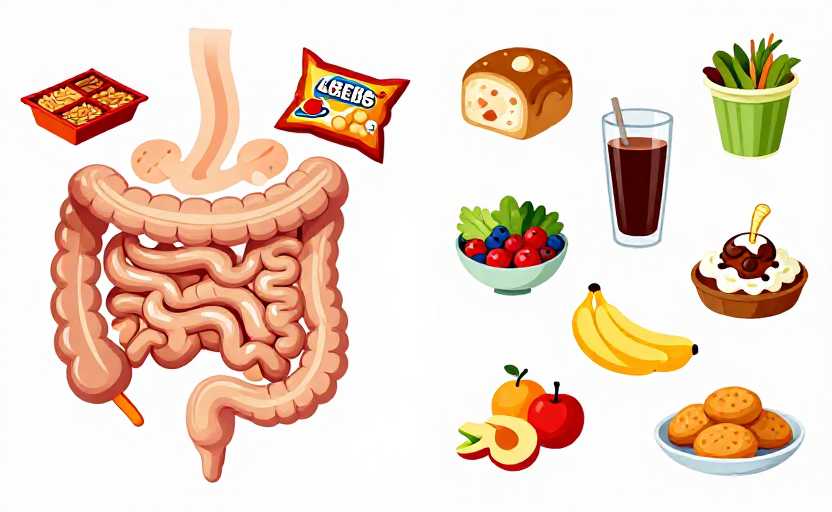
In addition, women who eat a high-protein, fruit-rich diet are less likely to have premature births after pregnancy than women who love potato chips, biscuits and fried foods. One study showed that women with poor eating habits before pregnancy have about a 50% chance of premature birth later in life.
Category 5: Overtired pregnant women
It is best not to travel long distances in the third trimester of pregnancy to avoid the bumpy road and fatigue. Uterus shrink. If you must travel, tell your obstetrician-gynecologist any signs you have experienced before traveling, and get up and walk around at least every hour. Do not stand or squat for long periods of time ; Don't go to crowded places to avoid bumping your abdomen ; When walking, especially when going up or down steps, be sure to walk steadily to avoid falling.
Category 6: Pregnant women with poor sleep
According to the United States“ healthy Japan” website reported that a new study found that pregnant women who have difficulty sleeping or disturbed sleep in the first and second trimester of pregnancy are at greater risk of premature birth. It may be that poor sleep related to stress increases the risk of inflammation in pregnant women, which can lead to premature birth. Pregnant women improving their sleeping habits early can help reduce the risk of premature birth.
If signs of premature labor appear, you should rest in bed on your left side for 1 hour. The rest time should be increased, but it is not recommended for pregnant women with signs of premature labor to stay in bed for a long time, because long-term bed rest can increase thrombosis. disease occurrence.
Pregnant women should pay attention to the following foods when eating during pregnancy:
1. Wine : Alcohol is an important factor leading to fetal malformations and mental retardation. Pregnant women should avoid drinking alcohol during pregnancy, and it is best not to eat drinks and foods containing alcohol.
2. Too much sugar : The metabolism of sugar in the human body will consume a large amount of calcium. The lack of calcium during pregnancy can easily affect the development of fetal teeth and bones. Sugar is not a basic nutrient, and excessive sugar intake can cause pregnant women to be overweight.
3. MSG : The ingredient of MSG is sodium glutamate. Eating too much can affect the absorption of zinc, which is not good for the fetus. nerve Development of the system.
4. Pickled foods : Although this kind of food is delicious, it contains nitrite, phenylpyrene, etc., which is very harmful to the body.
5. Including coffee food due to : Pregnant women should not drink too much coffee, tea and other caffeinated drinks and foods. As a substance that can affect physiological changes in women, caffeine can change the ratio of estrogen and progesterone in women to a certain extent, thereby indirectly affecting the implantation and development of fertilized eggs in the uterus.
6. Various “contaminated” foods : Try to use fresh natural foods and avoid foods containing food additives, pigments, and preservatives, as well as cooked foods. Fruits and other foods that are prone to pregnancy should be washed before eating to avoid pesticide residues.
Disclaimer:
1. This article is sourced from the Internet. All content represents the author's personal views only and does not reflect the stance of this website. The author shall be solely responsible for the content.
2. Part of the content on this website is compiled from the Internet. This website shall not be liable for any civil disputes, administrative penalties, or other losses arising from improper reprinting or citation.
3. If there is any infringing content or inappropriate material, please contact us to remove it immediately. Contact us at:
