
Be wary of polycystic ovary syndrome if acne persists for a long time
When we have symptoms of heat, we will get some acne. At this time, we will joke that it is acne, but the location of the acne can also identify the disease in our body. Women who have acne for a long time may also be a symptom of polycystic ovary syndrome.
Be wary of polycystic ovary syndrome if acne persists for a long time
The main manifestations of polycystic ovary syndrome are: ovulation disorder, high androgen performance, and polycystic changes found in B-ultrasound examination. The most intuitive feelings of patients are irregular menstruation, infertility, acne, hirsutism and hair loss. Nowadays, the incidence rate of polycystic ovary syndrome is getting higher and higher, reaching as high as 5% to 10%. Its incidence is closely related to environmental pollution, lack of exercise, and overnutrition.
For patients who are clearly suffering from polycystic ovary syndrome and have metabolic problems, they must first adjust their lifestyle, exercise actively and control their diet, and at the same time adjust their high insulin state. The treatment of polycystic ovary syndrome requires the professional guidance of traditional Chinese medicine experts.
As girls grow up, parents should pay attention to some abnormal signs, such as long-term irregular menstruation, severe acne, and hairy midline areas of the body, such as beards and hairy inner thighs. If polycystic ovary syndrome is diagnosed, active intervention should be made in terms of lifestyle and diet to help the child maintain a normal weight. Sometimes this can completely reverse the disease.
Traditional Chinese Medicine Dietary Prescriptions for Preventing Polycystic Ovarian Syndrome
: 250g red peanuts, 150g red dates, 250g lotus seed meat, 3 to 4 pig trotters.
Method: First remove the hair from the pig's trotters and wash them, then simmer them with 1500-2000 ml of water for 3 hours. Add the peanuts, red dates and lotus seeds and simmer for 1 hour.
Dosage: Drink 1 small bowl on an empty stomach every morning and before going to bed.
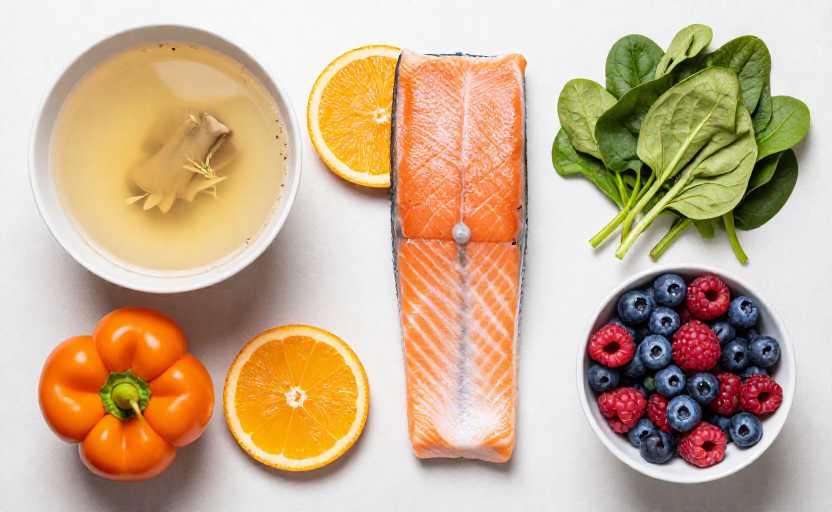
In addition, eat more foods rich in vitamin E such as cabbage, cauliflower, sunflower oil, sesame oil, animal offal, eggs, milk and soy products rich in vitamin B2, as well as cereals, beans, lean meats rich in vitamin B6, etc.
Disclaimer:
1. This article is sourced from the Internet. All content represents the author's personal views only and does not reflect the stance of this website. The author shall be solely responsible for the content.
2. Part of the content on this website is compiled from the Internet. This website shall not be liable for any civil disputes, administrative penalties, or other losses arising from improper reprinting or citation.
3. If there is any infringing content or inappropriate material, please contact us to remove it immediately. Contact us at:
