
Is there really a prostate cold wave?
Prostate cold wave is not a medical term, but a common name for men’s symptoms of prostate discomfort in winter. Such symptoms are mostly induced by low temperature stimulation, and mainly manifest as frequent urination, urgency, perineal swelling, etc., and are usually related to chronic inflammation of the prostate, local blood circulation disorders and other factors.
1. Low temperature stimulation:
A cold environment will increase the excitability of sympathetic nerves, shrink the prostate gland, and increase the pressure in the urethra. At this time, symptoms such as increased resistance to urination and increased nocturia may occur. It is recommended to keep your waist and abdomen warm in winter and avoid sitting on cold surfaces for long periods of time.
2. Chronic inflammation:
The symptoms of patients with chronic prostatitis tend to worsen in low temperature environments. Inflammation may lead to abnormal gland secretion, burning sensation during urination, white dripping from the urethra, etc. Tamsulosin hydrochloride, celecoxib and other drugs are commonly used clinically to relieve symptoms and must be used under the guidance of a doctor.
3. Blood circulation disorder:
Cold can constrict pelvic blood vessels, causing insufficient blood supply to the prostate. Long-term ischemia may cause glandular fibrosis, manifesting as dull pain in the perineum and discomfort during ejaculation. Moderate warm water sitz baths and levator exercises can help improve local microcirculation.
4. Decreased immunity:
In winter, the human body's resistance is reduced, and pathogens lurking in the prostate may actively multiply. If acute infection symptoms such as fever and purulent discharge occur, you need to seek medical treatment promptly for anti-infective treatment.
5. Influence of living habits:
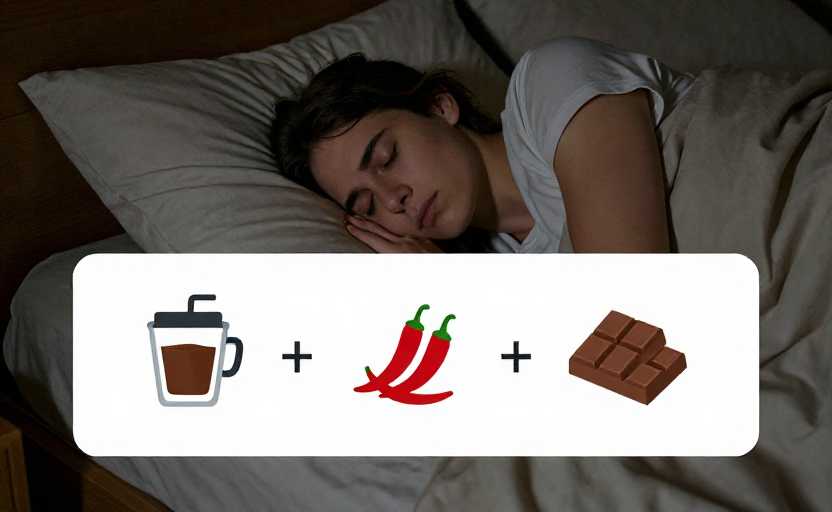
Reduced drinking water in winter, increased spicy diet, sitting and playing mahjong for long periods of time and other behaviors may increase the burden on the prostate. It is recommended to maintain a daily drinking volume of 1500 ml of water and avoid excessive intake of irritating foods such as alcohol and chili peppers.
To protect the prostate in winter, you need to pay attention to eating more zinc-rich foods such as oysters and pumpkin seeds, and do moderate brisk walking, squats and other exercises to promote pelvic blood flow. Daily warm water sitz bath for 10-15 minutes can relieve muscle spasms, but the water temperature should not exceed 40°C. If the symptoms persist for two weeks or if hematuria or severe pain occurs, you should immediately go to the urology department to check for other organic diseases. It is recommended that middle-aged and elderly men have a prostate-specific antigen test every year to detect potential lesions in a timely manner.
Disclaimer:
1. This article is sourced from the Internet. All content represents the author's personal views only and does not reflect the stance of this website. The author shall be solely responsible for the content.
2. Part of the content on this website is compiled from the Internet. This website shall not be liable for any civil disputes, administrative penalties, or other losses arising from improper reprinting or citation.
3. If there is any infringing content or inappropriate material, please contact us to remove it immediately. Contact us at:
