
Be aware that the elderly may develop osteoporosis if they eat too much meat.
Foods containing animal protein are mainly chicken, duck, fish, pig, beef, mutton and other meats. The protein content of cooked meat can be as high as about 60%. Therefore, if you eat about 100 grams of meat a day, your protein intake will have reached about 60 grams. The normal protein requirement is 1 gram per kilogram of body weight, which means that an adult's daily intake is preferably less than 100-150 grams.
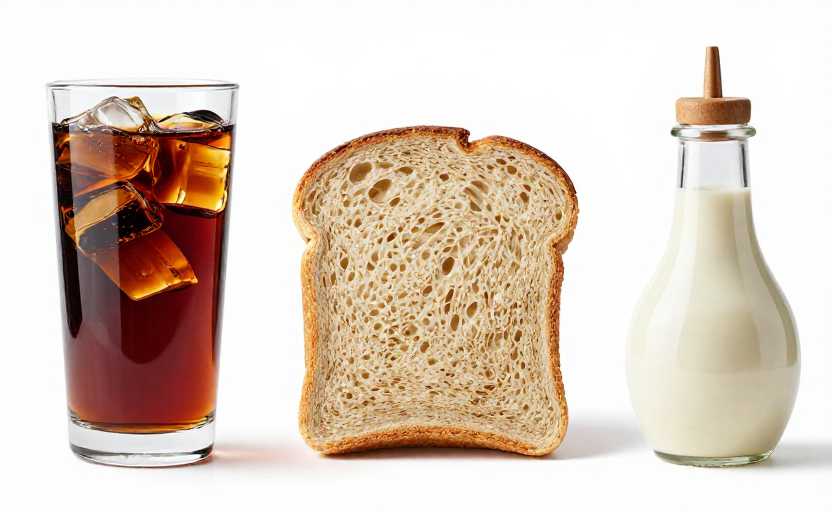
In addition, a diet high in animal protein can easily cause calcium deficiency. Experiments have shown that a daily intake of 80 grams of animal protein will cause a loss of 37 mg of calcium; when the protein intake is increased to 240 grams per day, even if an additional 1,400 mg of calcium is supplemented, the final total calcium loss will still reach more than 100 mg per day. This shows that calcium supplementation cannot prevent bone loss caused by a high-protein diet.
When the human body is deficient in copper, the pigment oxidase in brain cells decreases and the vitality decreases, causing memory loss, confusion, slow reaction, unstable gait, and movement disorders. In addition, the production of elastin and collagen in the cardiovascular system depends on the catalysis and activation of copper ions. Long-term copper deficiency in the human body will cause arteriosclerosis, leading to coronary heart disease occurrence. Copper is also a coenzyme of lysine oxidase, and its function is to promote the connection of collagen fibers. When the body is deficient in copper, the catalytic effect of lysine oxidase is greatly weakened, and the collagen fibers are incompletely cross-linked, resulting in tooth loss, ineffective legs and feet, and muscle weakness.
clinical Studies have found that iron deficiency anemia When patients use iron therapy, if the effect is not good, they should consider the possibility of copper deficiency. Medical research has also found that copper plays an important role in anti-aging, protecting skin and hair, prevention and treatment of epidemics cold and cancer etc. have certain effects. prevention elderly The key to copper deficiency is to consume more copper-rich foods in the diet, such as shrimp, oysters, jellyfish, fish, egg yolks, liver, tomatoes, beans and nuts. Avoid or eat less overly refined foods.
We know that elderly people who eat too much meat are prone to osteoporosis. At the same time, they should not take vitamin C immediately after meals because vitamin C can hinder the absorption of copper.
Disclaimer:
1. This article is sourced from the Internet. All content represents the author's personal views only and does not reflect the stance of this website. The author shall be solely responsible for the content.
2. Part of the content on this website is compiled from the Internet. This website shall not be liable for any civil disputes, administrative penalties, or other losses arising from improper reprinting or citation.
3. If there is any infringing content or inappropriate material, please contact us to remove it immediately. Contact us at:
