
The role of wound care ointment
The core function of wound care ointment is to create a suitable low-bacteria moist healing environment for the wound. At the same time, it can relieve pain, reduce wound exudation, reduce the risk of infection, and dilute post-healing pigmentation based on the differences in ingredients. It is not a miraculous product that "heals quickly and leaves no scars with one application" as advertised online.
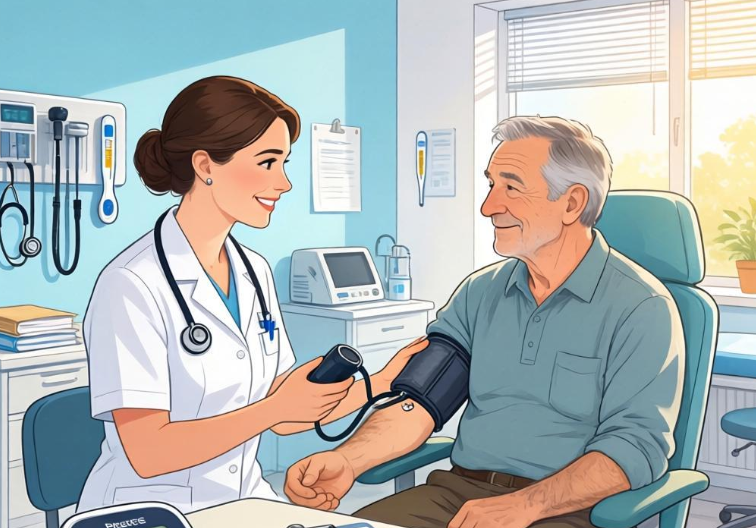
I was doing a free wound care clinic in the community a while ago. I met an aunt in her sixties. Her knee was scratched and swollen for two days. When I asked her, I found out that she had applied red lotion when she got home, then applied a thick layer of erythromycin ointment and wrapped it in two layers of gauze. The wound was so stuffy that it turned white and oozing fluid, and he said aggrievedly, "Didn't you say that applying the nursing ointment would make the wound heal faster? Why did it make my condition worse?" In fact, this is a typical case of not understanding the logic of the nursing ointment, and using it blindly is not helping.
As early as the 1960s, researchers confirmed that the migration speed of epidermal cells in a humid environment is twice that of a dry and scabbed environment. This is also the core theoretical basis for the development of wound care creams. To put it bluntly, proper moisture can allow the skin's own repair cells to run faster, eliminating the need to climb up hard scabs. It can also reduce the pain caused by pulling the scabs, and the probability of removing new tissue and leaving red marks when the scabs fall off.
The effects of care creams with different ingredients are quite different. A basic occlusive care ointment containing petroleum jelly and lanolin has no additional effect. It just locks in moisture and isolates external stimuli. For example, a small blister bursts due to oil splash while cooking, a fingertip bleeds due to tearing off a thorn, or a heel is worn out when wearing new shoes. Applying a thin layer can not only reduce the evaporation of water from the wound, but also prevent dust and clothing from rubbing against the wound and causing pain, and will not rub tissue fluid all over clothes and socks. It is extremely practical. Speaking of which, I have encountered people applying hemorrhoid ointment as a wound care ointment. They say it can reduce swelling. In fact, it is really unnecessary. The pH value and concentration of ingredients in different parts of the medicine are different. If it is used blindly, it will easily irritate the wound.
If you fell outside and the wound is stained with plaster or scratched by something not very clean, you can choose a disinfectant care ointment containing povidone-iodine and benzalkonium chloride. Apply a thin layer after debridement, which can continue to inhibit bacterial growth in the wound for 4 to 6 hours, which is longer than the protective time of a single spray of iodine. However, it should be noted that this kind of nursing cream with disinfectant ingredients is not recommended for long-term use. It is generally used for 2 to 3 days. Once the wound exudation is reduced and it looks clean, it can be replaced with an ordinary moisturizing nursing cream. Otherwise, it will inhibit the growth of new granulation tissue and slow down the healing speed.
I should also mention here a controversy that has always existed in the academic community: the current mainstream view does recommend moist healing, but many surgeons also advocate that for superficial abrasions within 1 cm without obvious bleeding, as long as the wounds are debrided, they can be exposed to a dry environment to heal without applying any nursing cream. Especially in areas that are prone to sweating in summer, or in jobs that require frequent contact with water, applying nursing cream will easily attract dust, trap sweat, and increase the risk of infection. Both methods are supported by clinical data. There is no absolute right or wrong. You can choose based on your actual situation.
Many people buy care ointments for the purpose of “removing scars”. Let’s make this clear: Ordinary wound care ointments themselves have no scar-removing effect. Those claims on the Internet that no scars will be left after application are basically exaggerations. Some people feel that the scars left by applying nursing cream are lighter. This is actually because the moist environment reduces the probability of infection and secondary damage under the scab. It is not the scar-removing ingredient of the nursing cream itself. If you really want to prevent hypertrophic scars, you have to wait until the wound has completely healed and the scab has fallen off naturally, and then use a medical scar removal product containing silicone. Ordinary care creams are of no use to existing scars.
I fell down while riding a bike before and got a big bruise on my palm. At first I applied antiseptic care ointment as usual, but then I had to wear gloves when I went out, which made the edges of the wound turn white from the stuffiness. Then I simply adjusted the plan: I put on a thin sterile dressing when I went out during the day without applying any ointment. I took off the dressing and let it dry when I got home at night. I also applied a thin layer of closed care ointment before going to bed to avoid the pain of rubbing on the quilt after falling asleep. The scab fell off naturally in about 5 days without leaving any obvious mark. To put it bluntly, nursing cream is an auxiliary tool. There is no need to adhere to the rigid rule of "applying it three times a day". Just do whatever suits you.
If I really want to remind you, don’t treat nursing cream as a panacea. If the wound is so deep that fat can be seen, the bleeding cannot be stopped, or it is scratched by a rusty iron nail or dirty glass, don’t think about applying ointment and it will be done. Go to the hospital for debridement first. After the tetanus is professionally treated, it is safest to use nursing cream as a follow-up healing aid.
Disclaimer:
1. This article is sourced from the Internet. All content represents the author's personal views only and does not reflect the stance of this website. The author shall be solely responsible for the content.
2. Part of the content on this website is compiled from the Internet. This website shall not be liable for any civil disputes, administrative penalties, or other losses arising from improper reprinting or citation.
3. If there is any infringing content or inappropriate material, please contact us to remove it immediately. Contact us at: