
Summary of the elderly health talk activities
This "senior health talk" series of activities covered a total of 627 elderly people over 60 years old in the jurisdiction, collected 492 valid health demand questionnaires, implemented 7 targeted convenience health services, and the activity satisfaction rate reached 94.2%.
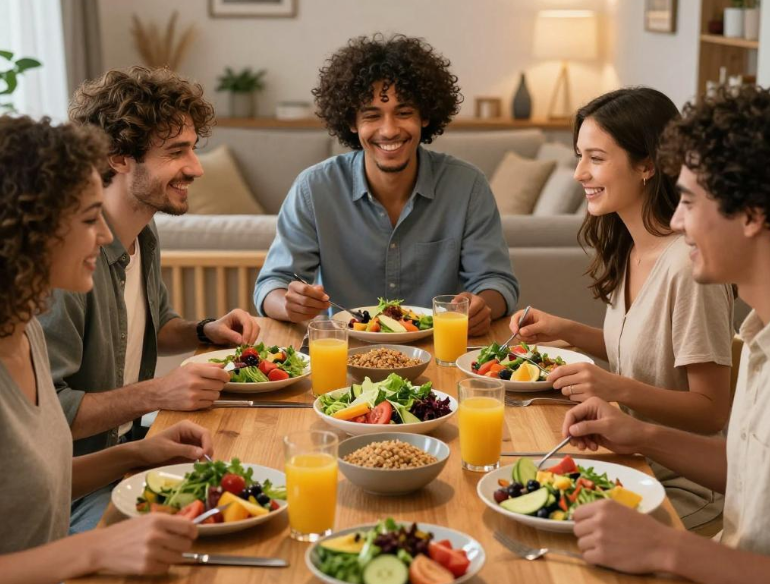
To be honest, I was still worried before holding this event. In the past two years, the community also organized health lectures. Either the experts read professional terms to the PPT, and the old people sat down and dozed off, or it was a disguised promotion of health products. When the event was over, the old people left with a bunch of gifts, and then scolded us for collaborating with the merchants to deceive people. This time, I made three stipulations in advance to all invited practitioners in the medical and elderly care fields: no mention of products, no personal contact information, and all content must be modified according to the standard of "can be understood by primary school students and can be used on the same day after reading."
On the first day of the event, there was a minor episode: Uncle Wang from Building 7 came over with a plastic bag of health products, poured 17 bottles on the table, and asked the doctors present to see which ones were useful. Dr. Zhang from the Department of Western Medicine rummaged through it for a long time, and finally picked out two bottles of antihypertensive drugs and one bottle of vitamin D. He said that the rest were either "three-no products" with unknown ingredients, or ordinary nutrients that were 10 times more expensive than those on the market. In total, Uncle Wang spent nearly 20,000 yuan. Dr. Li, a Chinese medicine doctor sitting next to him, also added that there are two so-called "blood vessel opening" health products, which contain safflower ingredients. Uncle Wang already has gastric ulcers, and eating too much will cause gastric bleeding. The old man slapped his thigh on the spot and said that he would go back to the store selling health products to return them. Later, our staff accompanied him to two physical stores and returned all 11 unopened bottles, which was considered an unexpected gain from the event.
We deliberately did not engage in a "one-note speech" at this event. Like several elderly health issues that were relatively controversial before, we directly invited experts with different views to the scene. For example, when it comes to whether elderly people should deliberately walk more for exercise, orthopedic doctors say that degenerative knee diseases are common in people over 65 years old. Walking 3,000 steps a day is enough. Walking more will wear down the cartilage. They recommend sitting and doing ankle pump exercises and squatting against the wall to exercise muscles. Teacher Zhao, who engages in elderly rehabilitation, disagrees. He said that as long as there are no symptoms of knee pain, walking 7,000 to 8,000 steps a day is absolutely fine. The key is to wear well-fitting shoes and walk on a flat road, which can actually enhance cardiopulmonary function. We have no preference for either point of view. Let the elderly people choose according to their physical conditions, which is much better than the "standard answer" forced on everyone before. At the end of the ceremony, many elderly people said, "Finally, I don't have to listen to what others say, everything is right."
Judging from the questionnaires we received, we did have quite a misunderstanding about the health needs of the elderly. I originally thought that what everyone was most concerned about was "what to eat and what supplements to take", but it turned out that the top three needs were "how to identify health scams", "how to relieve joint pain without taking medicine" and "who can help an elderly person living alone when he suddenly feels unwell", which overlapped with our previous preset content by less than 30%. We compiled the 18 most frequently asked questions on the spot and printed them into a large-print manual. Under each question, we left the consultation telephone number of the community health service center. More than 300 copies were sent out that day.
Of course, there are many problems, and I am not afraid of being embarrassed when I say them: The people participating in the event this time are basically young elderly people who can go out on their own. The 27 disabled and semi-disabled elderly people in the jurisdiction and the 12 elderly households living alone are basically not covered. They either cannot walk or no one has notified them. There are also needs raised by the elderly for "home-based blood sugar testing" and "prescribing commonly used drugs for chronic diseases". Our current community health service center simply cannot arrange the manpower. For the time being, we can only register first, and then slowly implement the service after applying for the volunteer quota with the street. There are also misconceptions like "annual infusions to clear blood vessels" that have been passed down for more than ten years. We conducted on-site science popularization three times. According to the final questionnaire, 42% of the elderly felt that they "would rather believe it". Changing the concept cannot be achieved by holding one event.
I have been running community services for the elderly for almost five years, and my deepest feeling is that there is no unified standard answer for elderly health. Some elderly people can still climb Xiangshan Mountain at the age of 80, and some elderly people are out of breath after walking two steps at the age of 70. The methods that apply to others may be a trap for you. Next, we plan to make a list of the needs collected during this event, and implement those that can be implemented first. Next month, we will organize volunteers to provide home-based free health tests for disabled elderly people, and then cut the clips of the expert conversation into a 15-second short video and send it to the WeChat group of the elderly in the community. Anyway, this matter should not be rushed. Listening to the old people more will be more useful than sitting in the office and thinking about 10 plans.
Disclaimer:
1. This article is sourced from the Internet. All content represents the author's personal views only and does not reflect the stance of this website. The author shall be solely responsible for the content.
2. Part of the content on this website is compiled from the Internet. This website shall not be liable for any civil disputes, administrative penalties, or other losses arising from improper reprinting or citation.
3. If there is any infringing content or inappropriate material, please contact us to remove it immediately. Contact us at: